Download our poduct brochure
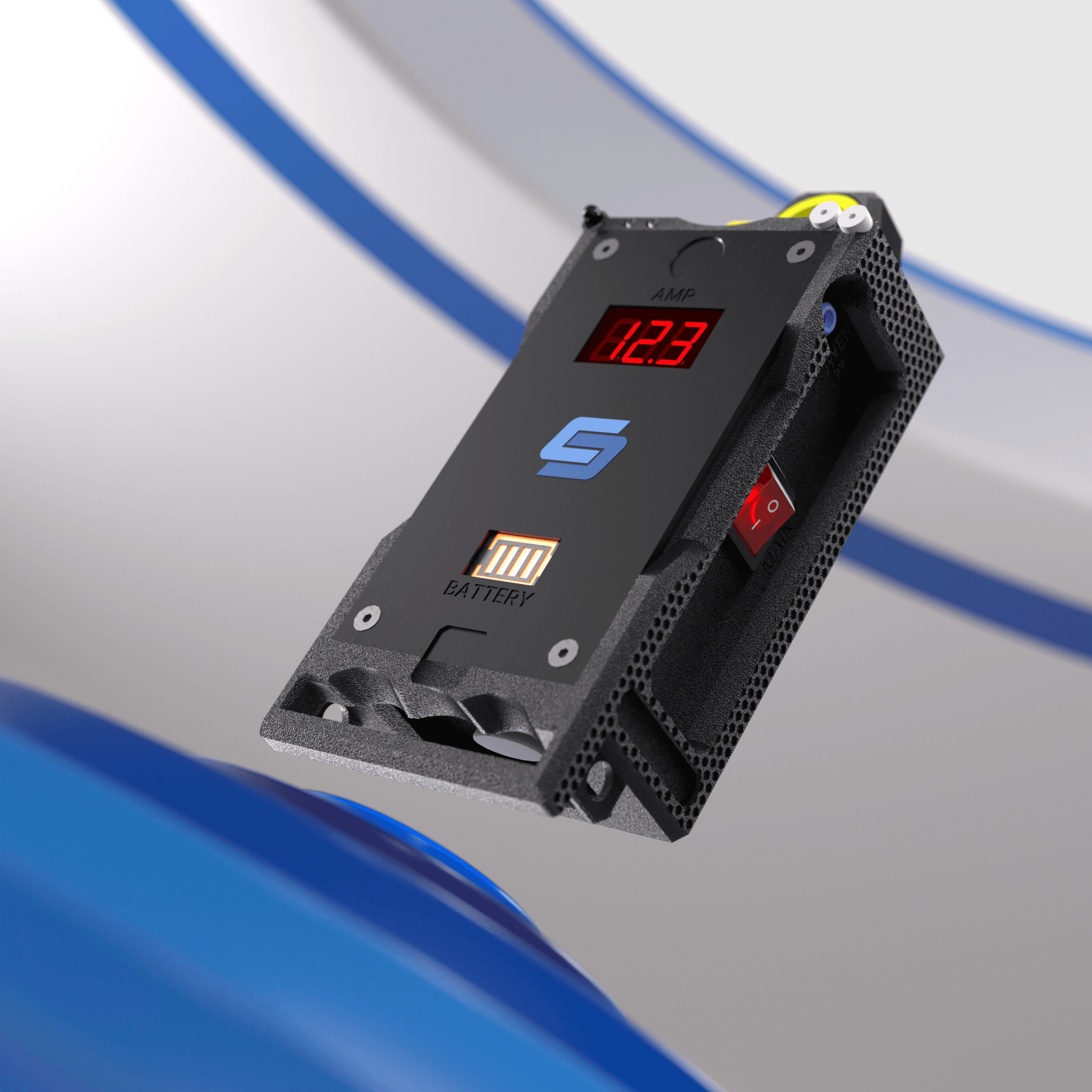
The SmartCycle C4 is a power source for the locking mechanism in our products. It powers and controls the access system. It is one of the core operations technologies that enables the SmartCycle access ecosystem. Although the physical enclosures may vary, all devices operate on the same standardized SmartCycle lock platform, which is a unified system that integrates mechanical components, embedded electronics, and secure software architecture.
It is designed to function reliably in any environment and guarantees safe operational workflow and efficiency in handling our products. It provides cross-team compatibility (electrical, bridge maintenance, roadway crews and contractors).
The lock remains inactive until the C4 is physically attached. This ensures:
• No standby power draw
• No battery replacement cycles (maintenance free design)
• No remote attack surface while idle


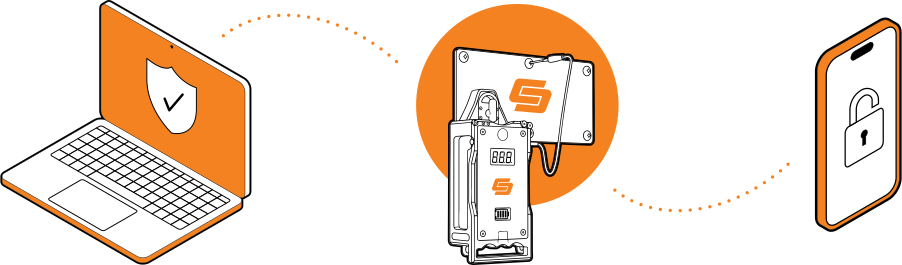
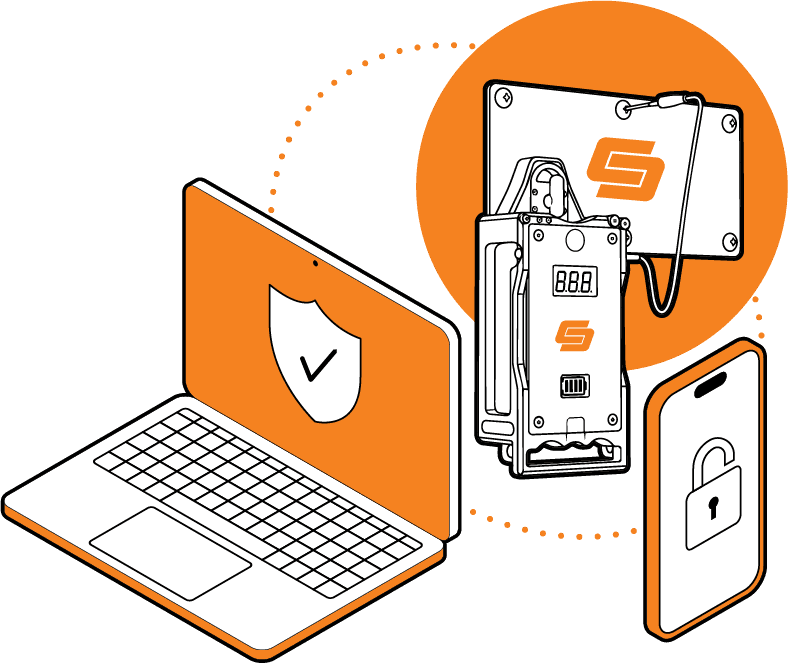
The SmartCycle system is built upon a multi-layer authentication structure that requires three distinct components for access approval.
1. The physical C4 hardware key must be present to power the embedded lock module.
2. An authorized smartphone must be used as the credential carrier.
3. A valid cloud-issued digital key must be presented and successfully authenticated.
This layered approach ensures that no single compromised element can independently grant entry. Possession of a lost or stolen C4 device alone cannot unlock equipment. Likewise, a compromised login or digital credential without physical presence cannot activate a lock.
By requiring both physical hardware and digitally validated authorization, the system establishes a dual-dependency security model that significantly exceeds the protection level of traditional mechanical or single-factor electronic lock systems.
Category
Legacy Lock Systems
Smartcycle C4 Device
Access Control Method
Physical key or mechanical combination
Secure Bluetooth authorization via mobile app
Credential Management
Keys can be copied, lost, or shared
Role-based digital permissions assigned by supervisors
Unauthorized Access Risk
High — lost keys or shared codes create exposure
Controlled — access only granted to authorized users
Audit & Accountability
No reliable tracking of who opened the asset
Every access event is recorded and traceable
Cellular / Cloud Requirement
Not applicable
No cellular or cloud dependency required in the field
Operation Without Signal
Works mechanically
Works via direct Bluetooth connection even with no cell signal
Power Source
None (mechanical) or fixed electrical supply
Portable external power — no permanent wiring, no internal batteries
Maintenance Impact
Keys must be replaced; cylinders rekeyed; locks drilled when compromised
No battery replacement; no rekeying; no permanent electrical infrastructure
Field Workflow
Manual key use; slow replacement if compromised
Fast authentication workflow; reduced lanetime exposure
Tamper Resistance
Vulnerable to common defeat methods (bolt cutters, picking, drilling)
Tamper-resistant access architecture designed to defeat common legacy methods
Supervisory Oversight
Limited visibility; no structured governance
Supervisor-level permission control and credential management
Cross-asset Standardization
Often different locks across asset types
One standardized access platform across boxes, doors, soffits, panels
Scalability Across Districts
Requires physical key distribution
Digital credential structure scales statewide